Skip to product information
1 of 1

F03T

F03T

Regular price руб722,16 RUB
Regular price Sale price руб722,16 RUB
Sale Sold out

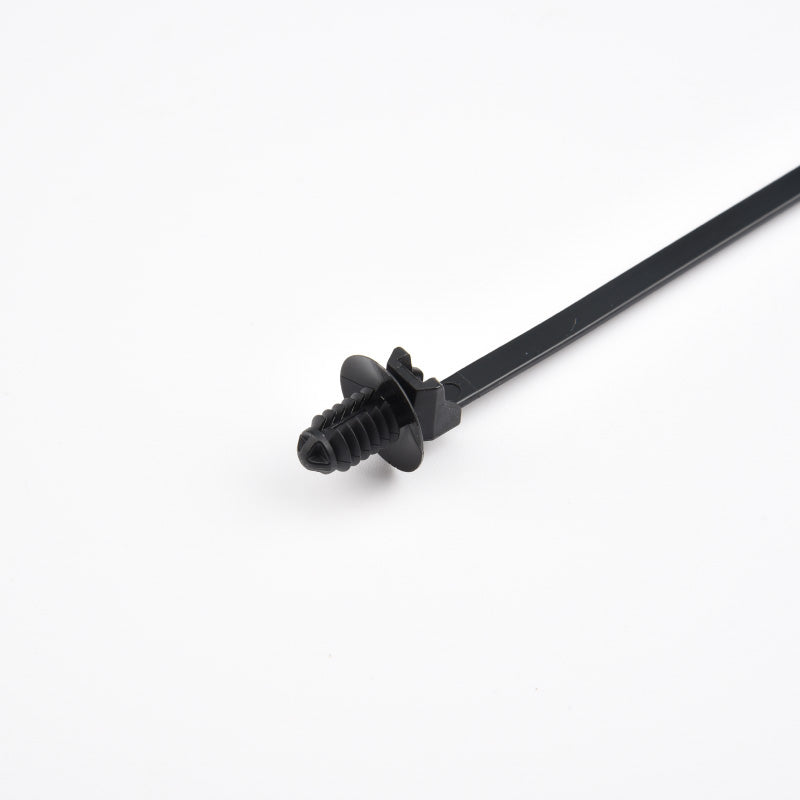
Aperture: 6.3~7mm / M8

Color: 黑色

Model
Quantity

99 in stock

View full details

Aperture: 6.3–7 mm; Threaded Hole: M8
Plate Thickness: 0.5–6 mm

Your cart
Variant Variant total Quantity Price Variant total
F03T
F03T
F03T
руб722,16/ea
руб0,00
руб722,16/ea руб0,00
F03T
F03T-L
F03T-L
руб866,59/ea
руб0,00
руб866,59/ea руб0,00

View cart
0

Total items

руб0,00

Product subtotal

Taxes, discounts and shipping calculated at checkout.
View cart

Aperture: 6.3–7 mm; Threaded Hole: M8
Plate Thickness: 0.5–6 mm

请在设置中上传图片
请在设置中上传视频
请在设置中添加HTML表格代码
请在设置中添加富文本内容
请在设置中上传图片
请在设置中上传视频
请在设置中添加HTML表格代码

View user reviews for this product.

请在设置中上传图片
请在设置中上传视频
请在设置中添加HTML表格代码
Your Rating:
0/5

FAQ's

The Differences Between PA66 and PA6 Nylon Cable Ties?

Melting Point and Elasticity: The melting point of PA6 is 220°C, while that of PA66 is 260°C.
Product Characteristics: PA6 offers good toughness, is cost-effective, and has a low melting point; PA66 offers good strength, wear resistance, and a high melting point.

Operating Temperature Range of the Cable Ties?

Nylon cable ties must be stored in a temperature-controlled environment away from direct light, and the warehouse air should maintain an appropriate relative humidity. It is crucial to avoid storing them in single-layer sheet metal structures; this is because such structures tend to reach relatively high temperatures—particularly when exposed to direct sunlight during the summer. Given that nylon possesses the inherent ability to both absorb and release moisture, using or storing the material under such high-temperature conditions causes the moisture within the nylon to evaporate rapidly. Once this proper moisture content is lost, the material's properties will undergo alteration, resulting in a reduction in its tensile strength.

Why are nylon cable ties prone to breaking?

Nylon 66 itself has relatively poor low-temperature resistance, and it is normal for it to fracture in colder winter weather. To address this issue, one can add some raw materials that are both low-temperature resistant and have good compatibility with nylon 66. Alternatively, one can replace it with a long carbon chain nylon that has better low-temperature resistance.

The normal service life of nylon cable ties?

The typical service life of nylon cable ties is approximately 10 years; however, depending on the specific circumstances, their actual lifespan generally ranges from 2 to 5 years. Furthermore, the longevity of nylon cable ties varies based on usage conditions, as well as differences in their specific model, specifications, materials, and design.